Why Your Titanium Turns Blue When Welding (and How to Stop It)
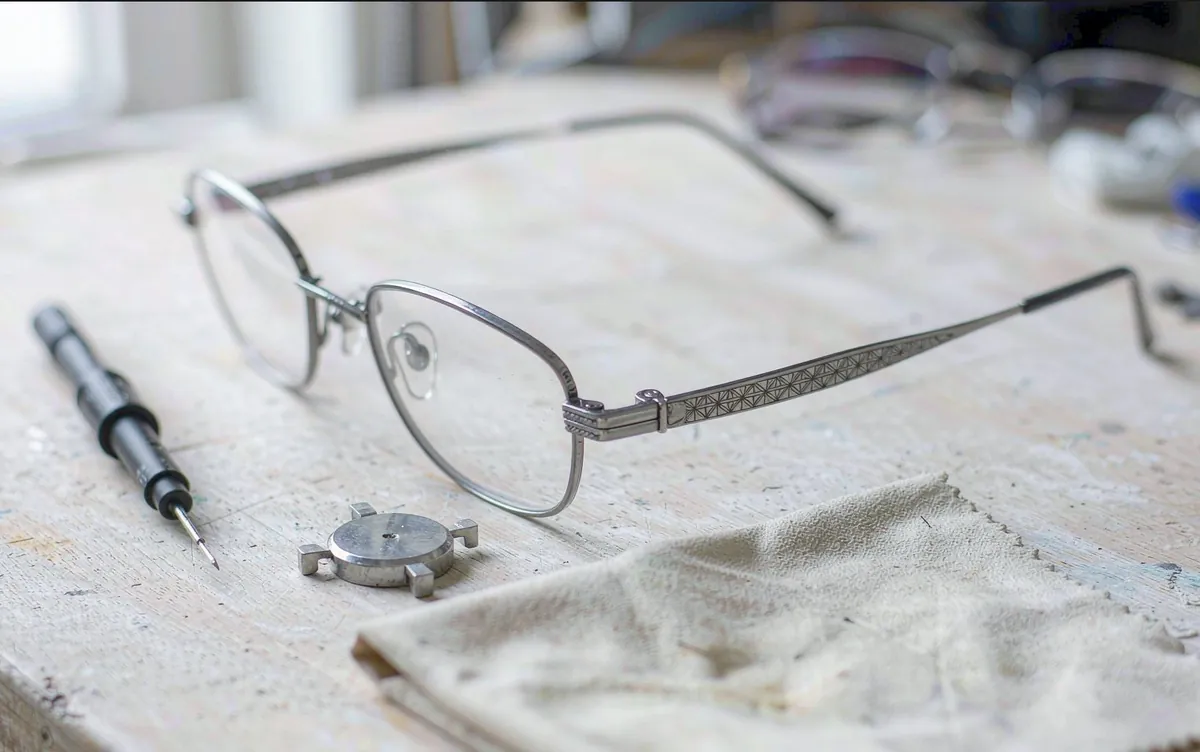
A titanium frame welds clean and silver-white — until it suddenly isn’t. One pulse too long without gas and the weld goes blue, then grey, and you’re grinding it back and starting again. Here’s the thing most people get wrong: the blue isn’t a heat problem. It’s an oxygen problem. Fix the gas timing and titanium stops being the stressful job and becomes a very profitable one.
The blue is oxygen, not heat
The moment hot titanium meets air, it forms titanium oxide — and the oxide layer is that blue-purple colour you’re seeing. Gold doesn’t do this. Silver doesn’t do this. Titanium reacts so fast that the gas has to be on the joint before the pulse arrives, not after you notice a colour change.
That’s why argon is the whole game with titanium. The laser settings matter, but they matter less than whether the joint was under gas the entire time.
The timing trick that fixes most of it
- Argon starts about half a second before the pulse — the gas has to be flowing and covering the joint before the laser fires.
- Keep it flowing about a second after — the metal stays hot after the pulse stops, and hot titanium still oxidizes.
- Use noticeably more gas than you would for gold — roughly 50% more flow. Titanium is greedy for coverage.
If your machine lets you set gas pre-flow and post-flow, this is exactly where you use it. If you’ve been switching gas on and off by hand, that’s your problem — titanium moves faster than your foot.
Settings that protect thin frames
Titanium conducts heat poorly and embrittles when overheated, so the recipe is gentle and patient: moderate energy (roughly 60–80% of full on our 200W machine), short pulses around 2–5 ms, slow repetition at 1–3 Hz so the gas keeps up, and a medium spot of about 0.3–0.5 mm. Start there, on scrap of the same frame, and adjust by reading the weld — not by guessing.
Read the weld colour
- Silver-white (or faint yellow) — perfect. Gas coverage was right.
- Blue or purple — the gas wasn’t on the joint when the pulse hit. Timing, not power.
- Frosty or grey — gas flow too low. Turn it up.
- Brittle, snaps when bent — too much energy. Titanium got overheated and embrittled.
One thing nobody mentions: your lens
Titanium vapour deposits on the protective lens — it’s a side effect of welding it at all. Shops that do a lot of titanium work should check the protective lens roughly every hundred pieces and clean or replace it when there’s buildup. Skip this and you’ll blame the machine for weak welds that are actually a fogged lens.
Titanium frames are high-value work — eyewear shops pay well for a repair that saves a whole frame. Get the gas discipline right and it’s a job you’ll actually look forward to.
Welding titanium frames? Get the starting numbers
Tell us the frame material (beta-titanium, pure titanium or memory alloy) and we’ll send you starting settings for your machine, plus the gas timing that keeps welds silver-white.
CN Laser · Guangzhou Centro South Tech
WhatsApp: +86 185 2016 7321 · Ask about titanium settings